Table of contents
Seasonal produce can significantly influence flyer sales, affecting both customer interest and overall marketing success. Exploring how the availability of fresh fruits and vegetables throughout the year impacts promotional strategies is key to unlocking higher sales and engagement. Discover how aligning flyer content with the natural rhythms of the seasons can enhance your business’s performance and drive consumer excitement for new offers.
Understanding seasonal produce trends
Seasonal produce plays a significant role in shaping consumer preferences, which directly affects flyer sales across the retail landscape. When retailers feature fresh fruits that are in season, they tap into heightened consumer demand driven by both taste and perceived value. Market segmentation allows retailers to target specific demographics receptive to seasonal offerings, maximizing the effectiveness of promotional strategies. By carefully timing flyer campaigns to coincide with periods of peak availability for certain fruits and vegetables, retailers can influence purchasing decisions, create anticipation, and ultimately drive greater engagement with featured products. Aligning promotional materials with the cycles of seasonal produce not only boosts shopper interest but also enhances the perceived freshness and quality of advertised items, strengthening customer loyalty and differentiating a brand in the crowded retail sector.
Enhancing visual appeal in flyers
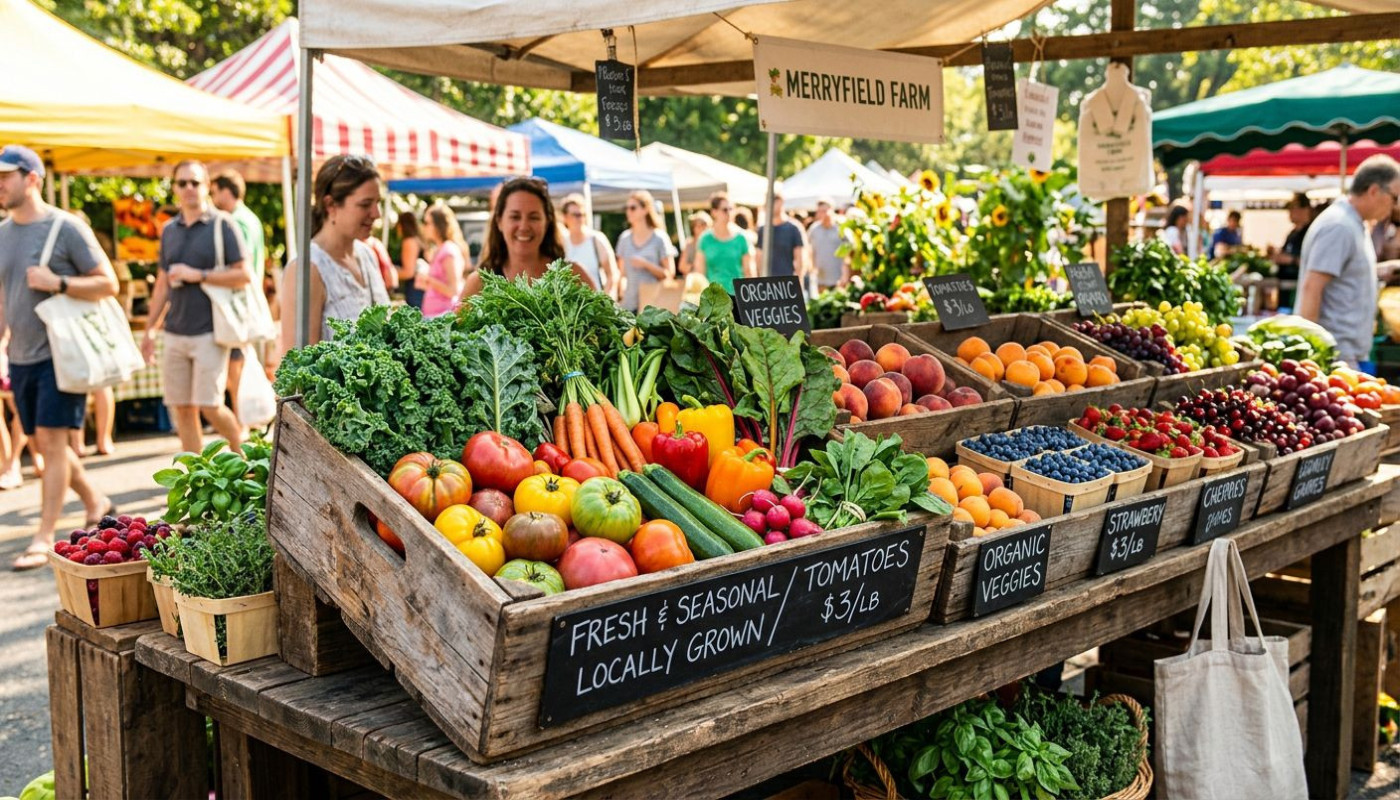
The strategic incorporation of fresh and colorful seasonal produce images into flyer design dramatically boosts visual appeal and reader engagement. High-resolution photographs of vibrant fresh vegetables and fruits not only capture attention but also evoke positive emotional responses, making promotions for retail stores more memorable and enticing. Through effective visual merchandising, these compelling images set the tone for the entire flyer, drawing consumers’ eyes to featured products and motivating impulse buying. When seasonal produce is showcased, it communicates freshness, quality, and value, which reinforces trust in the brand and increases the likelihood of sales conversion.
Retail promotions benefit significantly from this approach, as visual cues tied to seasonality often result in a sense of urgency that encourages immediate action. For instance, a flyer promoting fresh local corn or strawberries can trigger nostalgic associations, prompting shoppers to take advantage of limited-time offers. The No Frills Flyer exemplifies this method by consistently using vibrant images of seasonal produce to highlight weekly deals and engage customers. For those seeking inspiration on effective flyer design and maximizing visual appeal, reviewing the No Frills Flyer demonstrates how seasonal produce can serve as a powerful sales driver in retail promotions.
Boosting customer engagement
Featuring in-season produce in flyer offers is a proven way to elevate customer engagement and drive grocery sales. Showcasing fresh, timely fruits and vegetables draws attention, as shoppers are naturally attracted to the appeal of seasonal goods. When flyers highlight these items with appealing visuals and clear pricing, they tend to boost foot traffic to physical stores and encourage more interaction with weekly promotions. To maximize engagement, it is effective to pair in-season produce with well-placed call-to-action prompts, such as limited-time discounts or bundled deals, enticing customers to act quickly. Selecting products that reflect the current season ensures relevancy, keeping flyer offers fresh and aligned with consumer expectations. This approach also supports promotional tactics that encourage repeat visits and foster loyalty by demonstrating an understanding of shoppers’ seasonal preferences, ultimately contributing to sustained grocery sales growth.
Maximizing sales through strategic timing
Aligning flyer timing with the seasonal harvest is a proven strategy to drive sales performance and efficiently manage inventory turnover. When flyers are released to coincide with the precise window of peak produce availability, retailers can leverage consumer anticipation for fresh, in-season items. This synchronized approach ensures that advertised products are not only attractive to shoppers but also abundant in stock, minimizing the risk of overstock or missed sales opportunities. Strategic planning guided by demand forecasting empowers merchandising managers to anticipate which fruits and vegetables will be most appealing and available, allowing for more accurate promotions that maximize traffic and conversion rates. Scheduling flyers to highlight seasonal produce at its freshest supports optimized inventory turnover, reduces waste, and increases profitability throughout the supply chain.
Measuring the impact on sales
Tracking the sales impact of seasonal produce showcased in flyers demands a methodical approach, leveraging flyer analytics and performance metrics to determine marketing ROI. Begin by identifying conversion rate as a central metric, measuring how many flyer recipients move from awareness to actual purchase of featured produce. Pair this with other key performance indicators such as average basket size, uplift in category sales, and customer retention rates during promotional periods. Advanced analytics tools, like point-of-sale integration and digital flyer tracking, allow for real-time monitoring of sales impact and customer engagement. By segmenting results by product type, season, and region, marketing teams can pinpoint exactly which seasonal produce features drive the highest returns and refine their strategy accordingly. Regular analysis ensures that each campaign is data-driven, maximizing both the effectiveness of future flyers and the overall marketing ROI.
On the same subject

